Loading...
Serving Walnut, CA and surrounding areas. (626) 517-0597
A railing that wobbles, splinters, or was never permitted is a liability. We install deck railings in Walnut that pass LA County inspection and hold up under Southern California sun for years.
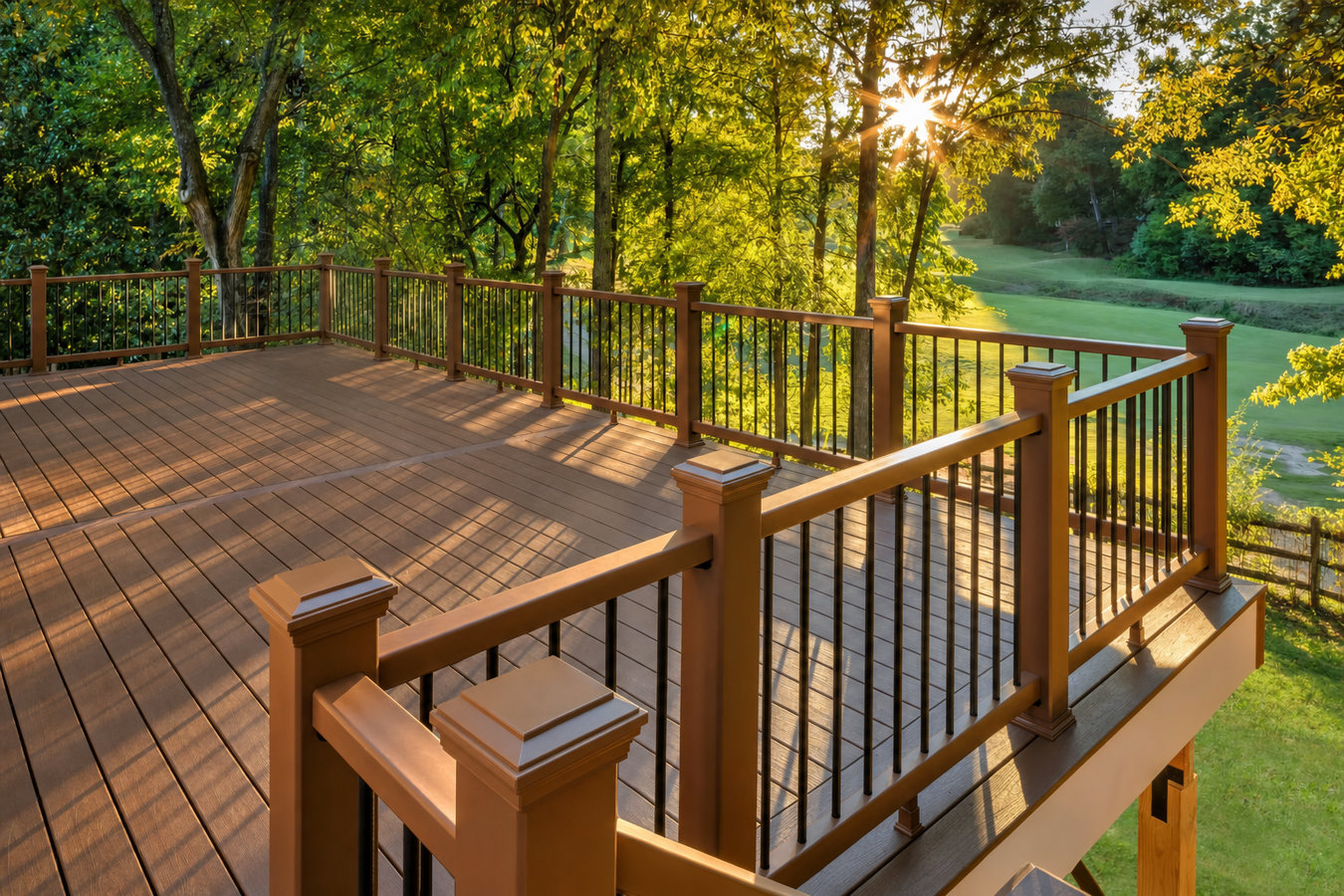
Deck railing installation in Walnut, CA means anchoring posts into the deck frame, installing top and bottom rails, and spacing balusters to California's 4-inch maximum gap requirement - most single-deck projects are completed in one to two days of active installation after LA County permit approval.
California requires a railing on any deck 30 inches or more above the ground - it is not optional, and a deck without one on an elevated Walnut lot is both a safety hazard and a code violation. Many Walnut homes were built between the 1960s and 1990s, and railings from that era often have wide baluster gaps that no longer meet current standards, wood that has quietly rotted at the post bases, or surface-mounted posts that were never anchored into the framing the way the code requires. Before any new railing goes on, we inspect the existing deck structure - because a beautiful new railing mounted to a deteriorating frame is a problem waiting to happen. If the frame itself needs attention, we coordinate that as part of the same project alongside a deck repair and replacement.
We handle the LA County permit application for railing work that requires one, attend the inspection, and help you navigate HOA approval if your neighborhood has design standards for railing materials or colors.
Stand at the edge of your deck and push firmly on the top rail. If it moves, flexes, or feels loose at the base, the posts are no longer anchored securely. A railing that shifts is not doing its job - and in a fall, it will not stop anyone. This is the most immediate sign that replacement cannot wait.
Run your hand along the top rail and press your thumb into the wood at the post bases. If the wood feels spongy or crumbles, it has started to rot - a common problem in Walnut given the combination of intense summer heat and occasional winter rain. Rotted wood cannot hold a post anchor, which means the whole railing needs to come out and be replaced.
Older railings on homes built in the 1970s and 1980s were often installed with wider spacing between balusters than today's safety standards allow. California requires that a 4-inch sphere cannot pass through. If you can fit your fist through the gap, a small child could get their head stuck or slip through. This is a fixable problem, but it requires replacing or retrofitting the railing.
Some older Walnut homes have decks that were built without railings - either added informally or built under older standards. If any part of your deck is more than 30 inches above the ground and has no railing, you are out of compliance with current California requirements and exposed to liability if someone falls. Getting this corrected before it becomes an issue at a home sale is far simpler than dealing with it under deadline pressure.
We install wood, aluminum, composite, cable, and glass deck railings - each with its own cost profile, maintenance requirement, and visual character. Wood railings are classic and affordable upfront, but in Walnut's climate they need refinishing more frequently than in cooler coastal cities; aluminum and composite hold up with minimal upkeep. Cable railings are popular in Southern California for the open sightlines they provide, but California code requires cables tensioned tightly enough that they cannot be deflected more than 4 inches - loose cables are a code violation, not just a cosmetic issue. Glass panel systems offer unobstructed backyard views and require tempered safety glass with precise hardware and anchoring. Every railing we install meets California's minimum 36-inch height requirement for most residential decks, with 42-inch posts on decks higher than 30 feet above grade. We also address the situations that affect many Walnut homeowners with sloped lots: parts of a deck that are only a step off the ground in front may be 8 to 10 feet off the ground in back, which changes both the safety requirements and the anchoring depth. If the underlying deck frame needs repair before the railing can be properly anchored, we coordinate that work alongside a custom deck design and build or repair scope, rather than leaving you with a new railing on a compromised frame.
For every project we pull the LA County permit, attend the county inspection, and help you prepare any HOA submission documents your association requires before work begins. You do not have to figure out the county's process on your own.
Best for homeowners who want a classic look and are comfortable with periodic refinishing to keep it in good shape under Southern California sun.
Best for homeowners who want low maintenance and durability - aluminum does not rot, warp, or need painting, and handles Walnut's heat well.
Best for homeowners who want open sightlines and a modern aesthetic - tensioned to California's 4-inch deflection requirement.
Best for homeowners who want completely unobstructed views - installed with tempered safety glass and precision post hardware.
Walnut's housing stock skews older - most homes were built between the 1960s and 1990s - and decks from that era were often built under standards that are no longer current. Wide baluster spacing, surface-mounted posts, and untreated wood that has been baking under Southern California sun for 30-plus years are common findings when we assess a railing for replacement. Walnut also sits in a part of the San Gabriel Valley where summer heat regularly exceeds 95 degrees Fahrenheit, which means wood railings deteriorate faster here than in cooler coastal neighborhoods. Aluminum and composite materials are popular choices in this city specifically because of that climate reality. The California Building Standards Commission sets the code minimums for railing height and baluster spacing that every contractor in the state must follow.
We install deck railings regularly for homeowners in Diamond Bar, CA and West Covina, CA - neighboring cities with the same mix of older housing stock, LA County permit jurisdiction, and HOA communities that shape what railing choices are practical and approvable.
We respond within one business day. On the first call we ask about the length of the railing run, how high your deck sits above the ground, and whether you have a material preference - so we can give you a ballpark estimate and determine whether a site visit is needed before quoting.
We visit the deck in person, measure the linear footage, check the height from every side, and inspect the existing deck frame. That frame inspection is not optional - if the framing is soft or undersized, we tell you before any work starts, not after.
If your project requires a permit through LA County - which is common for elevated decks in Walnut - we submit the application and handle the process for you. Permit processing through the county can take a few days to a couple of weeks, so we build that into the project timeline from the start.
Most railing installations take one to two days. If a permit was pulled, the county inspector visits after installation to sign off on the work. We attend every inspection and address any notes on the spot. After inspection passes, we walk the railing with you before we leave.
We come out, measure the deck, check the frame, and give you a written quote - no obligation and no sales pitch.
(626) 517-0597Older Walnut decks sometimes have framing that has been deteriorating quietly for years - soft ledger boards, rotted post bases, undersized joists. We inspect the frame before we install anything. If something needs to be addressed first, we tell you clearly so you are not paying for a new railing that cannot be properly anchored.
Because Walnut uses LA County's building department rather than a city office, pulling a railing permit means navigating the county's specific process. We have done it many times. We submit the application, coordinate the inspection, and are present when the inspector arrives - so the project is done correctly on paper as well as in person. The North American Deck and Railing Association also publishes railing safety standards that align with what California's code requires.
Walnut's summer heat and UV exposure are real factors when choosing a railing material. We give you a straight comparison of how each material - wood, aluminum, composite, cable, glass - performs specifically in this climate, including maintenance expectations. You make the call with accurate information, not a sales pitch for the most expensive option.
A large share of Walnut's neighborhoods fall under HOA governance, and many have specific rules about railing materials, colors, and styles. We help you understand what your association requires and prepare the submission documents before the county permit is even filed. Getting both approvals in the right order keeps the project on schedule rather than stalled on paperwork.
A deck railing is one of those things that matters most when something goes wrong. We build and install them to the standards that protect you, your family, and your investment - not to the minimum that avoids a callback.
If your deck structure needs more than a new railing, start with a full custom design that accounts for your lot, HOA, and long-term outdoor living goals.
Learn MoreWhen the frame beneath your railing is soft, rotted, or undersized, deck repair and replacement addresses the root problem before the new railing goes on.
Learn MoreWe handle the LA County permit process for you - just pick a date and we take it from there. Call or request a free estimate now.